Point of Sale Display Manufacturing: From Concept to Store
Launching a new product line or seasonal promotion requires more than just great merchandise—it demands eye-catching point of sale displays that stop shoppers in their tracks. For retail brands, marketing managers, and procurement teams, understanding how these displays move from concept to store shelf is essential for hitting launch dates and managing budgets effectively.
This guide breaks down the complete POS display manufacturing process, providing realistic timelines, cost considerations, and practical advice for keeping your project on track.
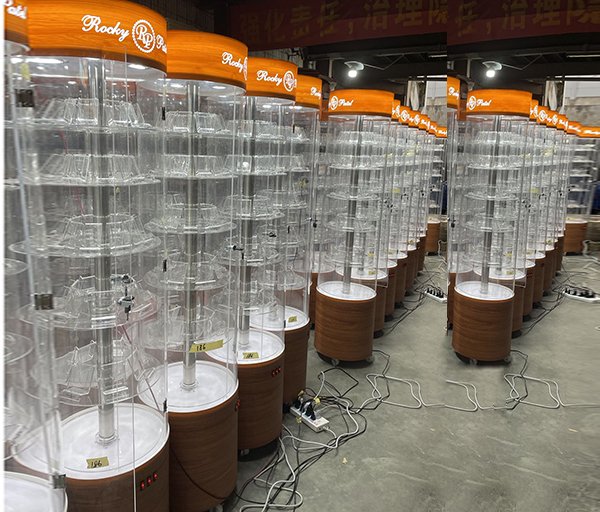
The POS Display Development Process Overview
Manufacturing a point of sale display is a multi-phase process that typically spans 8 to 16 weeks from initial briefing to final delivery. While timelines vary based on complexity, materials, and order volume, the fundamental stages remain consistent across most projects.
The process follows a logical progression: design and engineering, prototyping, production manufacturing, quality control, and logistics. Each phase builds on the previous one, and delays at any stage cascade downstream. Understanding these dependencies helps teams plan realistically and avoid the rush charges that eat into margins.
Success depends on clear communication between brand teams, designers, and manufacturers. The most efficient projects start with well-defined requirements and maintain momentum through timely approvals and decision-making.
Phase 1: Concept and Design (2-3 Weeks)
The design phase establishes the foundation for everything that follows. This is where creative vision meets engineering reality, and where decisions made early determine manufacturing feasibility and final cost.
Week 1: Discovery and Briefing
The process begins with a comprehensive creative brief. Your design team or manufacturing partner needs to understand the product dimensions, weight, and packaging requirements. They need to know the retail environment—will this sit on a countertop, attach to a shelf, or stand independently on the floor? Traffic patterns, sight lines, and proximity to competing products all influence the design approach.
Material preferences matter too. Cardboard displays offer cost efficiency and sustainability credentials but lack the durability of acrylic, metal, or wood. Mixed-material constructions provide visual impact but add complexity and lead time.
Week 2-3: Design Development and Engineering
Designers translate requirements into initial concepts, typically presenting 2-3 directions for review. These concepts include dimensional drawings, material specifications, and preliminary cost estimates. Marketing teams evaluate against brand guidelines and campaign objectives while procurement assesses feasibility and budget alignment.
Once a direction is selected, engineers develop detailed technical drawings and structural specifications. For complex displays, this includes load calculations, assembly sequences, and packaging optimization. This engineering review catches potential manufacturing issues before they become expensive problems.
Deliverables at Phase End:
- Final approved design drawings
- Material specifications and finishes
- Preliminary production cost estimate
- Engineering sign-off on structural integrity
Cost Range: Design and engineering typically represent 5-10% of total project cost, though this varies based on complexity and whether design is handled internally or outsourced.
Phase 2: Prototyping and Approval (1-2 Weeks)
Prototypes bridge the gap between digital designs and physical reality. No matter how polished the renderings, nothing replaces holding the actual display in your hands and testing it in a real retail environment.
Physical Prototyping
Manufacturers produce a full-scale prototype using production-intent materials and processes. This isn't a rough mockup—it's a single unit built to the same specifications as the final production run. For corrugated displays, this means the actual flute size and board grade. For permanent fixtures, it's the specified metal gauge and finish.
The prototype serves multiple purposes. It validates structural integrity—can it hold the product weight without sagging or tipping? It tests assembly logic—can store staff put it together without frustration? It confirms visual impact—does it command attention in a cluttered retail environment?
Review and Revision
Most projects require at least one round of revisions based on prototype feedback. Common adjustments include resizing shelves for better product fit, reinforcing high-stress joints, or simplifying assembly steps. Major structural changes extend the timeline, which is why thorough design review in Phase 1 matters.
Deliverables at Phase End:
- Approved production prototype
- Final production specifications
- Confirmed unit pricing
- Production schedule commitment
Cost Range: Prototyping costs vary widely but typically fall between $500-$3,000 per unit depending on size, materials, and complexity. This investment prevents costly mistakes in full production.
Phase 3: Manufacturing (3-6 Weeks)
With approved prototypes and finalized specifications, production begins. This phase consumes the largest portion of the timeline and budget, and it's where expertise in manufacturing processes pays dividends.
Tooling and Setup (Week 1)
For custom displays, manufacturers must create cutting dies, molds, or fixture setups. Die-cut corrugated displays require steel-rule dies engineered to precise tolerances. Injection-molded components need tooling machined from aluminum or steel. Even seemingly simple displays often require custom jigs and assembly fixtures.
Tooling creation happens in parallel with material procurement. Reputable manufacturers maintain relationships with material suppliers to ensure consistent quality and reliable delivery. Paperboard displays depend on specific flute profiles and paper weights. Metal fixtures require surface treatments that meet durability specifications.
Production Run (Weeks 2-6)
Actual manufacturing follows established workflows optimized for efficiency and quality. For corrugated displays, this means printing, die-cutting, folding, and gluing. For permanent fixtures, it involves cutting, bending, welding, finishing, and assembly.
Production timelines scale with order volume. A run of 500 units might complete in two weeks, while 10,000 units requires six weeks or more. Manufacturers schedule production based on equipment availability and workforce capacity, which is why booking production slots early matters—especially during peak seasons before major retail holidays.
Deliverables at Phase End:
- Completed production units
- Quality inspection reports
- Finished goods inventory ready for packaging
Cost Range: Manufacturing represents 60-75% of total project cost, heavily influenced by material selection, order quantity, and labor requirements. Higher volumes reduce per-unit costs through economies of scale.
Phase 4: Quality Control and Packaging (1 Week)
Quality control isn't a single checkpoint—it's an integrated process running throughout manufacturing. However, final inspection and packaging represent a distinct phase with its own timeline requirements.
Final Quality Inspection
Before any display leaves the factory, it undergoes systematic inspection against approved specifications. Quality teams check dimensional accuracy, print quality, color consistency, and structural integrity. For displays with moving parts or assembly requirements, they verify fit and function.
Acceptable quality levels vary by project, but most manufacturers follow industry-standard sampling protocols. Critical defects—structural failures, major print errors, or incorrect dimensions—trigger rejection of entire production lots. Minor cosmetic issues may be accepted within defined tolerances.
Documentation matters here. Inspection reports provide accountability and traceability. Photographic evidence of any defects supports warranty claims or helps identify process improvements for future runs.
Protective Packaging
Displays must survive transit without damage. Packaging engineers design protective solutions based on shipping methods, journey duration, and handling conditions. Corrugated displays often ship flat in master cartons with specific stacking patterns to prevent crushing. Permanent fixtures require custom foam inserts, corner protectors, or wooden crates.
Packaging design balances protection with efficiency. Oversized packaging increases freight costs and storage requirements. Insufficient protection leads to damage claims and replacement production. The goal is minimal material achieving maximum protection.
Labeling requirements vary by retailer. Some chains mandate specific carton markings, barcodes, or handling instructions. Compliance with these specifications prevents rejected shipments and delays at distribution centers.
Deliverables at Phase End:
- Quality inspection reports with acceptance sign-off
- Packaged finished goods ready for shipment
- Packing lists and shipping documentation
- Carton labels meeting retailer specifications
Cost Range: Quality control and packaging typically add 5-10% to manufacturing costs. Premium protective packaging for fragile or high-value displays can push this higher.
Phase 5: Shipping and Logistics (1-4 Weeks)
The final phase moves completed displays from factory floor to retail location. Geography, transportation mode, and customs requirements determine whether this takes days or weeks.
Domestic and Regional Shipping (1-2 Weeks)
For manufacturers and retailers within the same region, ground freight provides cost-effective delivery. Transit times range from 2-7 days depending on distance. Full truckload shipments offer the best rates for large orders, while less-than-truckload (LTL) suits smaller volumes.
Regional distribution often involves intermediate warehousing. Displays ship to a central distribution center, then redistribute to individual stores based on allocation plans. This hub-and-spoke model adds handling time but optimizes transportation efficiency.
International Shipping (2-4 Weeks)
Overseas manufacturing requires ocean freight or air cargo. Ocean freight takes 2-4 weeks but costs significantly less than air. It's the standard choice for non-urgent, high-volume shipments. Air freight delivers in 3-7 days but carries premium pricing that often outweighs the time savings for bulky display shipments.
International logistics involves customs clearance, duties, and regulatory compliance. Documentation errors—incorrect harmonized codes, incomplete commercial invoices, or missing certificates of origin—cause customs holds that extend timelines unpredictably. Experienced freight forwarders navigate these complexities, but buffer time remains prudent.
Last-Mile Delivery
The final leg from distribution center to store requires coordination with retailer receiving departments. Many large chains mandate specific delivery windows and appointment scheduling. Missing a delivery slot means rescheduling, potentially delaying in-store installation.
Deliverables at Phase End:
- Displays delivered to specified locations
- Proof of delivery documentation
- Installation instructions and assembly guides (if applicable)
Cost Range: Shipping and logistics represent 10-20% of total project cost, heavily influenced by distance, transport mode, and shipment size. International shipments incur additional duties and customs fees.
Total Timeline: 8-16 Weeks
Adding the phases together reveals why POS display projects require advance planning:
| Phase | Timeline |
|---|---|
| Concept and Design | 2-3 weeks |
| Prototyping and Approval | 1-2 weeks |
| Manufacturing | 3-6 weeks |
| Quality Control and Packaging | 1 week |
| Shipping and Logistics | 1-4 weeks |
| Total | 8-16 weeks |
Simple projects using standard materials and domestic manufacturing hit the shorter end. Complex custom displays with overseas production extend toward 16 weeks or beyond. Rush projects are possible but carry 25-50% cost premiums and increased risk of quality issues.
Cost Breakdown by Phase
Understanding where money goes helps teams make informed trade-offs:
| Phase | Percentage of Total Cost |
|---|---|
| Design and Engineering | 5-10% |
| Prototyping | 2-5% |
| Manufacturing | 60-75% |
| Quality Control and Packaging | 5-10% |
| Shipping and Logistics | 10-20% |
Material selection drives the largest cost variations. A corrugated cardboard display might cost $15-30 per unit, while an acrylic or metal equivalent runs $50-150. Volume discounts apply—order quantities below 500 units typically pay 20-40% premiums over production runs of 5,000 or more.
Common Delays and How to Avoid Them
Even well-planned projects encounter obstacles. Recognizing common pitfalls helps teams build realistic schedules and contingency plans.
Design Iteration Creep
The problem: Multiple rounds of design changes after initial approval push timelines and budgets. Each revision requires new drawings, potentially new prototypes, and revised production schedules.
The solution: Invest time upfront in thorough briefing and stakeholder alignment. Establish clear approval gates and resist scope expansion once design is finalized. Build one revision cycle into the timeline—more than that signals inadequate preparation.
Prototype Approval Delays
The problem: Stakeholders unavailable for prototype review, or indecision about required changes. Prototypes sitting idle burn calendar days.
The solution: Schedule prototype review sessions before prototypes are ready. Include all decision-makers in the review—avoid sequential approvals that compound delays. Make approval authority explicit to prevent last-minute surprises.
Material Shortages
The problem: Supply chain disruptions delay material availability, pushing production schedules. Paperboard, acrylic, and metal markets experience periodic constraints.
The solution: Work with manufacturers who maintain material inventories or have diversified supplier relationships. For critical launches, consider ordering materials in advance or selecting alternative materials with shorter lead times.
Quality Failures
The problem: Production defects discovered during final inspection require rework or remake, extending timelines unpredictably.
The solution: Implement quality checkpoints during manufacturing, not just at the end. Review first-production samples before full runs. Build contingency time into schedules for potential rework.
Customs and Documentation Issues
The problem: International shipments held at customs due to incorrect paperwork, missing certificates, or regulatory non-compliance. These delays are unpredictable and can extend timelines by days or weeks.
The solution: Partner with experienced freight forwarders who understand import/export requirements. Prepare documentation accurately and completely. For first-time shipments or new product categories, allow extra buffer time for customs clearance.
Retailer Compliance Failures
The problem: Displays rejected at retailer distribution centers for non-compliance with packaging, labeling, or specification requirements. Returns and corrections add weeks.
The solution: Obtain retailer specifications early and verify compliance before production begins. Many retailers provide vendor guides detailing requirements. Submit samples for pre-approval when available. Confirm labeling and packaging requirements with retailer logistics teams.
Planning for Success
Successful POS display projects share common characteristics: clear requirements, realistic timelines, and proactive communication. Start planning 16-20 weeks before your in-store date. This provides buffer for the inevitable surprises while avoiding rush charges.
Establish a single project owner who coordinates between marketing, procurement, and manufacturing. Decision-by-committee slows progress. Give that owner authority to approve designs, accept prototypes, and authorize production.
Document everything. Approved designs, signed-off prototypes, and confirmed specifications protect against misunderstandings. When questions arise—and they will—written records provide clarity.
Finally, build relationships with manufacturing partners who understand your business. The cheapest quote rarely delivers the best value. Partners who communicate clearly, hit deadlines, and stand behind their work save money over time by preventing problems rather than fixing them.
Point of sale displays represent significant investment, but they drive sales when executed well. Understanding the manufacturing process helps retail brands, marketing managers, and procurement teams deliver displays that perform—on time and on budget.