Luxury Retail Fixtures: Why Premium Brands Choose Acrylic
Walk into any flagship boutique on Rodeo Drive, Bond Street, or Ginza, and you'll notice something subtle yet significant about how the world's most coveted products are presented. Behind the velvet ropes and beneath the carefully calibrated lighting, an unassuming material has become the silent partner to luxury: acrylic.
For decades, glass dominated the display case. Metal provided structure. But increasingly, the houses that define luxury—Rolex, Cartier, Tiffany, Chanel—have turned to acrylic for their most important retail fixtures. The reasons extend far beyond aesthetics, touching on physics, psychology, and the practical realities of modern retail.
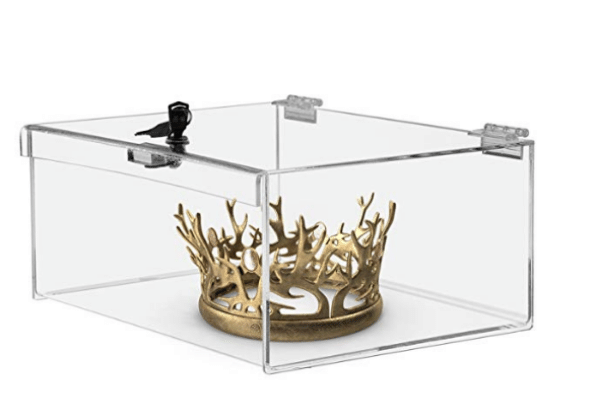
The Material Advantage: Acrylic vs. Glass vs. Metal
To understand why premium brands choose acrylic, one must first understand what it offers that traditional materials cannot.
Glass possesses unmatched prestige—it's been the standard for centuries. Yet it carries inherent limitations: weight, fragility, and greenish tint at the edges. A glass display case for fine jewelry might weigh forty pounds empty. When a flagship store refreshes its layout seasonally, moving glass fixtures becomes a logistical operation. And that subtle green cast at the edges? It subtly distorts the color of products worth more than most cars.
Metal conveys permanence and luxury. But metal frames create visual interruption. The eye stops at the frame rather than flowing to the product. In an environment where every millisecond of customer attention matters, metal becomes an obstacle.
Acrylic occupies a unique position. It offers 92% light transmission—superior to glass's 90%—with none of the color distortion. It weighs half as much as glass. It can be molded into seamless curves that glass cannot achieve. And when struck, it doesn't shatter into dangerous shards.
For luxury brands, these technical specifications translate into tangible retail advantages.
Optical Clarity: The Science of Desire
Luxury purchasing decisions happen in moments—sometimes seconds. The presentation of a $50,000 watch or a $20,000 necklace must be flawless. Any visual interference, any distortion, any distraction reduces perceived value.
Acrylic's optical clarity serves this imperative precisely. Without the iron content that gives glass its characteristic green edge, acrylic presents products in true color. A Cartier Love bracelet appears exactly as the designer intended. A Patek Philippe dial reads with perfect fidelity.
But clarity extends beyond transparency. Acrylic can be manufactured with specific light-diffusing properties, eliminating harsh reflections that plague glass displays. In a boutique where lighting design represents months of careful planning, this matters enormously. The fixture becomes invisible; only the product remains.
Some houses have taken this further, using acrylic's optical properties as a design element itself. Bulgari's flagship in Rome features acrylic columns that seem to glow from within, creating an atmosphere of ethereal luxury without visible light sources. The material becomes part of the brand narrative.
Customization and Brand Identity
No two luxury houses present themselves identically. Chanel's black-and-white minimalism differs fundamentally from Van Cleef & Arpels' romantic flourishes. Tiffany's robin's egg blue creates expectations that Hermès' orange cannot satisfy.
Acrylic accommodates these distinct identities through unprecedented customization options.
Color matching allows acrylic to carry brand-specific hues throughout fixtures. A cosmetics brand can extend its packaging colors into display elements. A jewelry house can echo its signature tones in presentation materials. Unlike painted metal or glass, colored acrylic maintains consistency throughout the material—scratches don't reveal different colors beneath.
Form factors expand dramatically with acrylic. While glass requires cutting and joining, acrylic can be thermoformed into continuous curves, organic shapes, and complex geometries. The seamless joints possible with acrylic fabrication create fixtures that appear sculpted rather than constructed.
Surface treatments multiply the possibilities. Frosted acrylic diffuses light for soft, atmospheric presentation. Mirrored acrylic creates infinite reflection effects. Etched acrylic can carry brand patterns, logos, or even entire visual narratives.
Dior's beauty boutiques demonstrate this capability brilliantly. Their acrylic fixtures incorporate the cannage pattern—the house's signature woven motif—etched directly into display surfaces. The pattern becomes visible only when light strikes at certain angles, creating moments of discovery for observant customers.
Durability in High-Traffic Environments
Luxury retail faces a paradox: the most valuable products require the most accessible presentation. Customers must touch, try, examine. This accessibility creates wear.
A flagship boutique on Fifth Avenue might welcome five thousand visitors daily. Each interaction with a display case—leaning in, pointing, photographing—creates micro-stresses. Over months, these accumulate.
Acrylic withstands this environment in ways that surprise those unfamiliar with the material. Its impact resistance exceeds glass by a factor of ten. Scratches, when they occur, can often be polished away—a restoration impossible with glass. UV-stable formulations prevent yellowing, maintaining clarity for years.
The economic calculation matters here. A glass display case damaged during a busy Saturday requires immediate replacement—often with expedited shipping, after-hours installation, and lost sales during the interim. Acrylic fixtures endure, reducing total cost of ownership even when initial investment runs higher.
Security considerations also favor acrylic. While no display material alone prevents determined theft, acrylic's shatter-resistant properties eliminate the vulnerabilities of glass. Some retailers have moved to acrylic specifically after security assessments identified glass breakage as a primary risk vector.
The Perception Paradox: Cost Efficiency and Premium Positioning
Here lies the subtle genius of acrylic in luxury retail: it delivers cost efficiencies while enhancing perceived value.
The manufacturing economics favor acrylic at scale. Once molds are created, production runs achieve efficiencies impossible with custom glasswork. Shipping costs drop dramatically due to reduced weight. Installation requires less specialized labor. Seasonal refreshes—essential in fashion and beauty retail—become logistically feasible rather than operational nightmares.
Yet customers perceive acrylic as premium. Its crystal clarity, its seamless joints, its weight and warmth—all signal quality. The material doesn't announce itself as "plastic" (a word never used in luxury retail); it presents as something refined, deliberate, exclusive.
This perception rests on execution. Poorly fabricated acrylic looks cheap. Properly executed acrylic appears priceless. The difference lies in material grade, fabrication precision, and finishing quality. Luxury brands invest in these elements, and the investment returns multiplied.
Case Studies: Acrylic in Practice
Watch Displays: The Rolex Approach
Rolex's retail presentation philosophy centers on one principle: the watch must command absolute attention. Their boutiques achieve this through acrylic display elements that eliminate visual competition.
The brand's iconic green display plinths—found in every authorized dealership worldwide—use optical-grade acrylic with a specific refractive index. This ensures that watches appear to float, suspended in light, with no visible means of support. The acrylic's clarity makes the display mechanism invisible; customers see only the timepiece.
During the 2024 Baselworld exhibition, Rolex introduced rotating acrylic cylinders for their new releases. These transparent enclosures allowed 360-degree viewing while maintaining security. The cylinders' seamless construction—possible only with acrylic—created an almost magical effect: watches appeared to rotate in mid-air.
For a brand that produces fewer than one million watches annually, every presentation moment matters. Acrylic delivers the consistency and precision that Rolex demands.
Jewelry Cases: Cartier's Red Box Reimagined
Cartier's relationship with acrylic demonstrates how the material can honor heritage while enabling innovation. The maison's signature red box—an icon of luxury since the early twentieth century—has inspired their retail fixture design.
Recent Cartier flagship renovations incorporate acrylic display cases with the same deep red tint as their packaging. The effect creates continuity between the retail experience and the unboxing ritual. Customers see their future purchase presented in the color they'll later associate with the brand at home.
The technical achievement here is significant. Achieving Cartier's specific red in cast acrylic requires precise pigment control. The material must remain transparent enough to showcase jewelry while carrying enough color to reference the brand. Cartier's fabricators spent eighteen months perfecting the formulation.
The result justifies the effort. In boutiques from Shanghai to Dubai, Cartier's acrylic fixtures have become as recognizable as the red box itself—a testament to how material choice builds brand equity.
Cosmetics: The Chanel Beauty Experience
Chanel's beauty boutiques face unique challenges. Their products—lipsticks, foundations, fragrances—must be both accessible for testing and protected from contamination. Acrylic solves both problems elegantly.
The brand's "beauty bars" feature acrylic partitions that create individual testing stations. These transparent dividers maintain an open, airy feel while providing physical separation. The acrylic's non-porous surface allows for thorough sanitization between customers—a critical consideration in post-pandemic retail.
Chanel has also pioneered "acrylic architecture" in their fragrance halls. Towering acrylic columns house scent strips and product information, creating immersive environments without heavy construction. The columns can be reconfigured seasonally as new fragrances launch, providing flexibility that permanent fixtures cannot match.
The material's weight advantage proves especially valuable here. A Chanel beauty boutique might refresh its layout monthly. Moving acrylic fixtures requires minimal labor, allowing rapid response to marketing calendars and product launches.
Design Trends Shaping Luxury Retail in 2026
As we look toward the coming year, several trends are accelerating acrylic's adoption in luxury retail environments.
Sustainability Narratives
Environmental responsibility has become central to luxury brand positioning. Acrylic supports this narrative through recyclability and longevity. Unlike glass, which requires energy-intensive remanufacturing, acrylic can be reground and reused. And because acrylic fixtures last longer than alternatives, they generate less waste over time.
Some brands are taking this further, incorporating recycled acrylic into their fixtures. Prada's 2025 "Re-Nylon" retail concept uses display elements fabricated from post-consumer acrylic, creating visible connections between product and presentation sustainability.
Digital Integration
The boundary between physical and digital retail continues to dissolve. Acrylic facilitates this integration through its compatibility with embedded technology.
Transparent acrylic displays can incorporate LED matrices, creating surfaces that show product information, brand films, or interactive content while maintaining visibility of the physical products behind them. Louis Vuitton's Tokyo flagship features acrylic cases with embedded transparent OLED panels—customers see both the handbag and dynamic content simultaneously.
Acrylic's radio-frequency transparency also enables RFID and NFC integration without signal interference. Security tags, inventory sensors, and customer experience technologies function seamlessly within acrylic fixtures.
Biophilic Design
Luxury retail increasingly incorporates natural elements—living walls, natural light, organic forms. Acrylic supports this trend through its ability to mimic natural materials while providing durability.
Frosted acrylic can evoke ice or water. Tinted acrylic suggests amber or quartz. Some designers are using acrylic to create "living displays"—transparent enclosures that house actual plants alongside products, creating micro-ecosystems within retail spaces.
Gucci's recent garden-themed boutiques use acrylic "terrarium" displays for their accessory collections. The transparent enclosures protect products while showcasing them within curated botanical environments.
Micro-Retail and Pop-Up Formats
Temporary retail has evolved from marketing novelty to core strategy. Brands now launch dozens of micro-boutiques and pop-up experiences annually, each requiring rapid deployment and striking presentation.
Acrylic's light weight and modular fabrication make it ideal for these formats. A complete fixture system can ship in compact crates and assemble on-site without specialized tools. When the activation ends, fixtures can be disassembled, stored, and redeployed.
Burberry's 2025 "Weather" pop-up series—appearing in twelve cities over six months—relied entirely on acrylic fixtures. The same display elements traveled from London to Tokyo to Dubai, maintaining brand consistency while reducing environmental impact.
Conclusion: The Invisible Foundation
The finest retail fixtures share a common quality: they disappear. Customers remember the product, the atmosphere, the experience—not the case that held the watch, the stand that presented the necklace, the shelf that displayed the fragrance.
Acrylic achieves this invisibility through excellence. Its clarity presents products without distortion. Its customization options express brand identity without compromise. Its durability ensures consistency across thousands of customer interactions. Its efficiency enables the logistical agility that modern retail demands.
For luxury brands, these qualities translate into the only metric that ultimately matters: the moment when a customer decides that yes, this object is worth its price. That moment depends on presentation. And increasingly, that presentation depends on acrylic.
The material has earned its place in the most prestigious retail environments not by claiming attention, but by directing it exactly where it belongs—on the products that define luxury, and the customers who desire them.
PlasioTech specializes in precision acrylic fabrication for luxury retail environments. Our optical-grade materials and custom fabrication capabilities serve the world's most demanding brands. Contact our design team to discuss your next retail project.