Custom Acrylic Display Cases: Design Guide for Retail
Walk into any flagship retail store and you'll notice something immediately: the products don't just sit on shelves—they're presented. Behind every compelling product display is a carefully engineered acrylic case that balances visibility, security, and brand storytelling. For retail designers and visual merchandisers, understanding how to specify and customize these cases can make the difference between a display that sells and one that gets ignored.
This guide draws from real retail implementations and manufacturing expertise to help you design acrylic display cases that work as hard as your sales team.
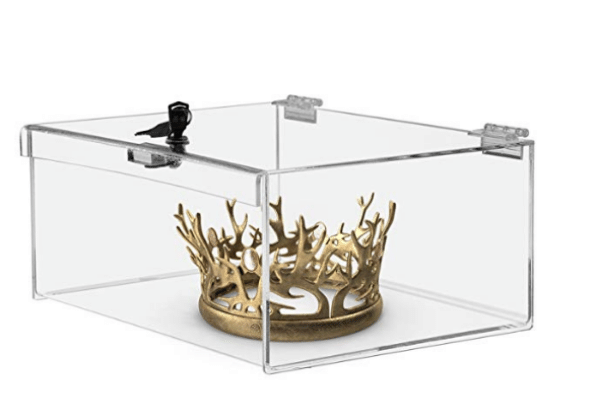
Types of Acrylic Display Cases
Counter Displays
Counter displays sit at the point of decision—literally where customers complete transactions. These compact cases typically range from 12" to 24" in width and serve high-value, impulse-purchase items: jewelry, electronics accessories, cosmetics, and small luxury goods.
Design considerations:
- Height should allow eye-level viewing from a standing position (typically 42"-48" from floor to product centerline)
- Sloped bases improve visibility of items at the back
- Consider cash wrap integration—cases that incorporate transaction surfaces reduce counter clutter
Case study: A cosmetics brand redesigned their Sephora counter presence with angled acrylic cases featuring integrated LED strips. The 15-degree slope and internal lighting increased product interaction by 34% compared to their previous flat-display setup.
Wall-Mounted Cases
Wall cases maximize vertical real estate while keeping floors clear. They're essential for galleries, museums, and high-end retail where floor space commands premium rates. Standard depths range from 8" to 16", with widths from 24" to 72".
Design considerations:
- Wall mounting requires structural assessment—acrylic cases with product can weigh 50+ pounds
- Consider hinged or sliding access from the side rather than front to reduce customer interference
- Depth-to-height ratio affects perceived value; deeper cases suggest higher-end merchandise
Case study: A watch retailer in Hong Kong replaced freestanding cases with wall-mounted acrylic boxes featuring individual LED spotlights. The change recovered 40% of floor space while increasing the perceived exclusivity of their limited-edition pieces.
Floor Standing Displays
These are the workhorses of retail—tall units that define traffic flow and create focal points. Heights typically range from 48" to 72", with footprints from 18"×18" to 36"×36".
Design considerations:
- Base weight and width determine stability; high-traffic areas need wider bases or floor anchoring
- Multi-tier designs increase SKU density but complicate lighting
- Consider casters for seasonal repositioning, but ensure they lock securely
Case study: An eyewear chain implemented rotating floor cases with four-sided visibility for their sunglass collections. The 360-degree access allowed 40% more product facings in the same footprint, and the rotation feature let staff refresh displays without moving the entire unit.
Pedestal and Cube Displays
Pedestals elevate single products or small collections to art-object status. They're common for product launches, limited editions, and museum-quality presentations. Standard sizes range from 12"×12"×12" cubes to 24"×24"×48" pedestals.
Design considerations:
- Single-product pedestals require precise product dimensions—too large and the item looks lost; too small and it appears cramped
- Consider lit bases for dramatic effect, especially with translucent or reflective products
- Acrylic thickness becomes visible at pedestal scale; 1/2" or 3/4" material conveys quality
Design Principles That Drive Results
Visibility: The 3-Second Rule
Retail research consistently shows that customers decide whether to engage with a display within three seconds. Acrylic cases must maximize product visibility while protecting merchandise.
Practical approaches:
- Anti-reflective coatings reduce glare from overhead lighting, particularly critical for photography-friendly displays
- UV-filtering acrylic prevents product fading without yellowing over time
- Viewing angle optimization: Position cases so primary sightlines encounter products at 15-30 degrees below eye level—this angle feels natural and inviting
Accessibility: Balancing Security and Interaction
The best displays invite touch while preventing theft. This tension defines much of acrylic case design.
Access mechanisms worth considering:
- Sliding doors with magnetic catches allow quick staff access without visible hardware
- Lift-off tops for low-security environments where staff presence is constant
- Hinged doors with concealed locks for standard retail security requirements
- Drawer-style access from below, keeping the display surface uninterrupted
Case study: A electronics accessory retailer tested two approaches in comparable stores: traditional locked cases versus sliding-door acrylic boxes with magnetic closures. The sliding-door version increased staff-assisted sales by 22% because associates could access products faster during customer interactions.
Security: Beyond the Lock
Physical security in acrylic cases operates at multiple levels:
Tamper-evident features:
- Security screws that require specialized drivers
- Alarmed bases that trigger when cases are lifted
- RFID integration for high-value inventory
Structural security:
- Bonded joints are stronger than screwed assemblies and harder to dismantle
- Thicker acrylic (1/4" minimum for security applications) resists flexing and prying
- Anchored bases prevent entire case removal
Material Options and Their Applications
Clear Acrylic (Standard)
The default choice for good reason—optical clarity of 92% light transmission, lighter than glass, and shatter-resistant. Cast acrylic offers better optical quality than extruded and machines more cleanly for polished edges.
Best for: General retail, product showcases, any application where the product—not the case—should dominate attention.
Colored Acrylic
Available in opaque, translucent, and transparent variants. Brand-color matching is possible with Pantone references, though expect 5-10% variance due to material limitations.
Best for: Brand reinforcement, seasonal theming, wayfinding (colored cases marking specific product categories).
Case study: A sportswear retailer used translucent colored acrylic in their team's signature red for championship merchandise displays. The color association increased product recall in post-purchase surveys by 28%.
Frosted and Diffused Acrylic
Surface treatments or embedded particles scatter light, creating soft, glowing effects. Frosting can be applied overall or in patterns (logos, gradients) via masking and sandblasting or laser etching.
Best for: Backlighting applications, privacy screens within open fixtures, premium cosmetics and fragrance displays where atmosphere matters.
Mirrored Acrylic
Acrylic with vacuum-metallized reflective coating. Lighter and safer than glass mirrors, with 90%+ reflectivity. Available in standard silver, gold, rose gold, and custom tints.
Best for: Creating visual depth in compact spaces, jewelry displays where reflected light enhances sparkle, luxury environments where traditional mirrors feel too expected.
Lighting Integration Strategies
Lighting transforms acrylic from transparent box to stage. Poor lighting creates glare and shadows; well-designed illumination makes products irresistible.
LED Strip Integration
Modern LED strips offer 50,000+ hour lifespans and minimal heat output—critical for acrylic, which warps at sustained temperatures above 150°F.
Implementation approaches:
- Perimeter lighting: LED strips recessed into case edges create even, shadow-free illumination
- Backlighting: Translucent acrylic rear panels with LED arrays create halo effects
- Base lighting: Up-lighting from below emphasizes product contours and creates floating effects
Color temperature considerations:
- 2700K-3000K (warm white) flatters skin tones and gold jewelry
- 4000K-5000K (neutral white) accurately renders product colors
- RGB systems allow programmable color changes for seasonal campaigns
Case study: A luxury handbag retailer implemented perimeter LED lighting in their acrylic cases with color-tunable strips. During evening events, they shifted from 4000K daylight to 2700K warm white, creating an intimate atmosphere that extended average browsing time by 4 minutes.
Spotlight Integration
Directional lighting creates drama and focus. Miniature LED spotlights (typically 1W-3W) can be surface-mounted or recessed into case tops.
Design considerations:
- Beam angle determines coverage; 15-30 degrees works for individual products, 60+ degrees for case-wide illumination
- Glare control requires positioning lights outside the customer's direct sightline or using honeycomb louvers
- Heat management: Even low-wattage LEDs generate heat; ensure 1/2" minimum clearance from acrylic surfaces
Fiber Optic Solutions
For displays requiring no visible light source and zero heat emission, fiber optic systems transmit light from remote illuminators. The fibers themselves can be embedded in acrylic edges or routed to specific product positions.
Best for: Museums, archival displays, temperature-sensitive products, ultra-minimalist designs.
Locking and Security Hardware
Lock Types and Applications
| Lock Type | Security Level | Best Application | Cost Range (2026) |
|---|---|---|---|
| Magnetic catch | Low | Staff-supervised areas, quick access | $2-5 |
| Cam lock | Medium | Standard retail, moderate value items | $8-15 |
| Electronic keypad | High | High-value merchandise, audit trails | $45-120 |
| Biometric | Maximum | Luxury goods, controlled access | $200-400 |
Practical note: Cam locks remain the retail standard for good reason—they're reliable, replaceable, and customers understand them. For most applications, a quality cam lock with a unique key code provides adequate security at reasonable cost.
Hidden Security Features
Beyond visible locks, consider:
- Alarm loops: Thin wire circuits embedded in case seams trigger alerts if panels are removed
- GPS tracking: Small trackers embedded in case bases for high-value mobile displays
- Tamper-evident seals: Destructive labels that indicate unauthorized access attempts
Customization Options
Branding Integration
Acrylic accepts multiple branding treatments:
Direct printing: UV-cured inks bond to acrylic surfaces, allowing full-color graphics, gradients, and photography. Durability: 5+ years under normal retail conditions.
Laser etching: Creates frosted, permanent marks without surface elevation. Elegant for logos and subtle branding.
Applied graphics: Vinyl decals and films allow seasonal updates and testing before permanent commitment.
Case study: A beverage company launched a limited-edition product with acrylic display cases featuring UV-printed graphics that matched their campaign artwork. The cohesive presentation increased display engagement by 41% compared to generic cases in test markets.
Interchangeable Elements
Modular designs extend case lifespan and reduce total cost of ownership:
- Magnetic graphic panels snap into place for campaign updates
- Adjustable shelving accommodates product line changes
- Swappable header cards announce promotions without case replacement
- Removable inserts customize compartment sizes for SKU variations
Custom Fabrication Capabilities
Modern acrylic fabrication supports complex custom work:
- Bending: Heat-formed curves and radii for organic shapes
- CNC routing: Precision cuts for complex profiles and joinery
- Polishing: Edge treatments from matte to mirror-finish
- Bonding: Invisible joints using solvent welding or UV-cured adhesives
- Multi-material integration: Metal, wood, and fabric accents combined with acrylic bodies
Cost Factors and 2026 Pricing
Understanding cost drivers helps budget effectively and negotiate with fabricators.
Base Material Costs
Acrylic sheet pricing fluctuates with petroleum markets, but 2026 benchmarks:
- Clear cast acrylic: $4-8 per square foot (1/4" thickness)
- Clear cast acrylic: $8-15 per square foot (1/2" thickness)
- Colored acrylic: $6-12 per square foot (1/4" thickness)
- Specialty finishes (frosted, mirrored): $12-25 per square foot
Fabrication Cost Drivers
| Factor | Cost Impact | Notes |
|---|---|---|
| Complexity | +30-100% | Curves, angles, and compound shapes require more labor |
| Volume | -20-40% | Setup costs amortize across larger runs |
| Finish quality | +15-50% | Museum-grade polishing takes time |
| Hardware | +$10-200 | Locks, lighting, hinges vary widely |
| Rush orders | +25-50% | Standard lead time: 2-4 weeks |
2026 Price Ranges by Case Type
Counter displays: $150-600 (simple) to $800-2,500 (with integrated lighting and locking)
Wall cases: $300-1,200 (basic) to $1,500-5,000 (large, lit, with security features)
Floor standing: $500-2,000 (standard) to $3,000-10,000+ (custom, multi-tier, fully featured)
Pedestals: $200-800 (simple cubes) to $1,000-3,500 (lit, branded, with security)
Volume pricing: Orders of 50+ units typically see 25-35% reduction from single-unit pricing.
Design Checklist for Retail Displays
Use this checklist when specifying custom acrylic cases:
Planning Phase
- Define primary product(s) and dimensions
- Establish security requirements (theft risk, product value)
- Determine traffic patterns and viewing angles
- Set budget range including installation
- Identify brand integration requirements
Design Phase
- Select case type based on location and function
- Specify acrylic material (clear/colored/frosted/mirrored)
- Determine thickness based on size and security needs
- Plan lighting integration (type, color temperature, placement)
- Choose access mechanism (hinges, slides, lift-off)
- Specify locking system
- Design branding integration method
- Plan for product changes (adjustable shelves, interchangeable graphics)
Technical Specifications
- Confirm dimensions (interior and exterior)
- Specify edge finish (sanded, polished, flame-polished)
- Detail hardware type and finish
- Define lighting specifications (lumens, Kelvin, CRI)
- Include electrical requirements if applicable
- Specify mounting method (freestanding, wall, counter)
- Define packaging requirements for shipping
Production and Installation
- Request material samples for approval
- Review fabrication drawings before production
- Plan installation logistics (weight, access, electrical)
- Schedule maintenance access for lighting and lock battery replacement
- Document warranty terms and replacement part availability
Conclusion
Custom acrylic display cases represent a significant investment in retail presentation, but they're also one of the most flexible tools in a visual merchandiser's arsenal. The key to success lies in matching the case design to the specific retail context—considering not just aesthetics, but traffic patterns, security requirements, staff workflows, and product lifecycles.
The retailers seeing the strongest returns treat display cases as part of an integrated system rather than isolated fixtures. Lighting, graphics, product positioning, and case design should work together to tell a cohesive brand story.
When specifying your next acrylic display project, use the principles in this guide to move beyond generic solutions. The difference between a stock case and a thoughtfully designed custom display often determines whether customers stop, look, and ultimately buy.
Need help specifying custom acrylic displays for your retail environment? PlasioTech's fabrication team works with retail designers to translate concepts into production-ready cases. Contact us for material samples, budget estimates, or design consultation.