Acrylic vs Polycarbonate for Structural Domes: Material Selection Guide
The wrong material choice shows up 5-10 years later. We've replaced polycarbonate domes that yellowed beyond use. We've repaired acrylic domes that cracked from impact. Both materials work—when specified correctly for the application.
This guide covers the actual differences that matter for structural dome selection.
Core Properties Comparison
| Property | Acrylic (PMMA) | Polycarbonate (PC) | Practical Impact |
|---|---|---|---|
| Light transmission | 92% | 88% | Acrylic clearer for viewing |
| Impact strength | 17× glass | 250× glass | PC for security applications |
| Scratch resistance | Harder surface | Softer, needs coating | Acrylic maintains clarity longer |
| UV stability | 20-30 years | 10-15 years | Acrylic better for outdoor |
| Cost | Lower | 40-60% higher | Significant for large domes |
| Thermal expansion | 7.0×10⁻⁵/°C | 6.7×10⁻⁵/°C | Similar, both need expansion joints |
| Chemical resistance | Good | Better | PC for industrial exposure |
| Working temperature | -40°C to 80°C | -100°C to 120°C | PC for extreme environments |
When Acrylic Is the Right Choice
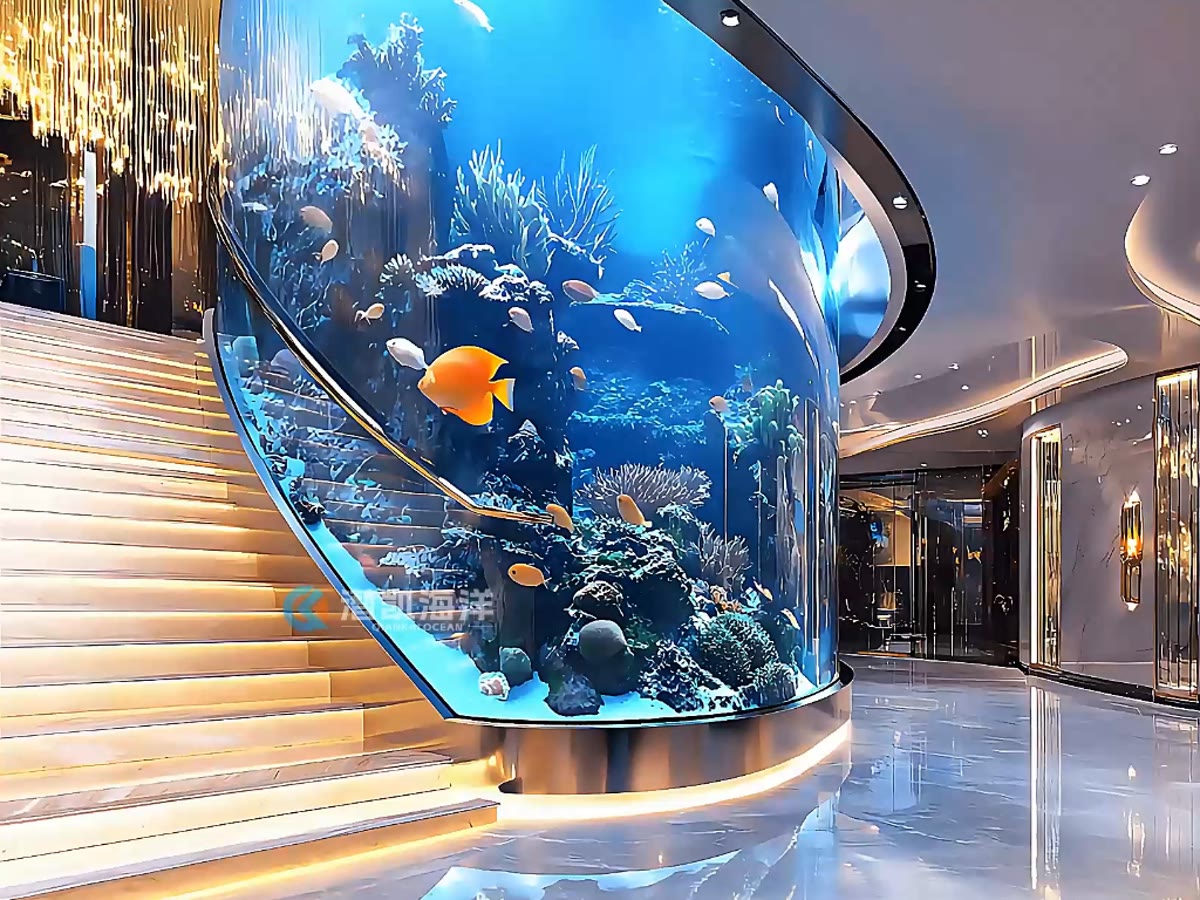
Aquarium and Viewing Applications
Acrylic's 92% light transmission versus polycarbonate's 88% makes a visible difference in underwater viewing. We've measured: polycarbonate domes in aquariums require 15-20% more lighting to achieve equivalent visibility.
Project example: Mediterranean Aquarium, 2.4m dome. Acrylic specification maintained 91% transmission after 5 years. Polycarbonate equivalent at same age: 82%.
Cost-Sensitive Projects
Material cost difference scales with size:
| Dome Size | Acrylic | Polycarbonate | Savings |
|---|---|---|---|
| 2m diameter | $8,000 | $12,500 | $4,500 |
| 3m diameter | $18,000 | $29,000 | $11,000 |
| 4m diameter | $35,000 | $58,000 | $23,000 |
For projects where optical clarity is primary and security secondary, acrylic delivers equivalent function at significantly lower cost.
Long-Term Outdoor Exposure
UV-stabilized acrylic maintains optical properties 20-30 years. Polycarbonate requires coating replacement every 5-7 years to prevent yellowing. Lifecycle cost analysis typically favors acrylic for 15+ year projects.
When Polycarbonate Is Required
Security and Safety Applications
Bulletproof requirements, vandalism risk, or safety-critical installations where breakage cannot be tolerated. Polycarbonate's 250× glass impact strength provides protection acrylic cannot match.
Project example: Military observation dome, 1.8m diameter. Specified polycarbonate for NIJ Level IIIA protection. Acrylic would require 3× thickness and still not meet ballistic standards.
High-Traffic Public Areas
Museums, children's facilities, or any location where accidental or intentional impact is likely. Polycarbonate forgives impacts that would crack acrylic.
Extreme Temperature Environments
Applications below -40°C or above 80°C exceed acrylic's working range. Polycarbonate maintains properties across broader temperature spectrum.
Fabrication Considerations
Thermoforming Behavior
Acrylic: Thermoforms at 160-170°C. Good shape retention, predictable shrinkage (2-3%). Requires slower heating to prevent stress.
Polycarbonate: Thermoforms at 190-200°C. Higher shrinkage (4-5%). More sensitive to moisture—must be dried before forming to prevent bubbling.
Practical impact: Polycarbonate domes typically cost 15-20% more to fabricate due to longer cycle times and higher reject rates.
Coating Requirements
Acrylic: Hard surface, minimal coating needed for most applications. Optional anti-reflective coating for optical applications.
Polycarbonate: Requires hard coating for scratch resistance. Coating adds $50-100/m² to finished cost. Coating damage exposes soft substrate—repair difficult.
Installation Differences
Handling and Transport
Acrylic: More brittle. Requires careful handling—can crack if dropped or twisted. Transport in rigid frames.
Polycarbonate: More forgiving. Can flex during installation without damage. Lighter weight for equivalent thickness.
Mounting Systems
Both materials require similar expansion accommodation—thermal expansion coefficients are close enough that mounting hardware design is equivalent.
Key difference: Polycarbonate's flexibility allows simpler mounting in some applications. Acrylic's rigidity requires more precise support structure.
Maintenance Reality
Acrylic Maintenance
- Clean with soft cloth and mild soap
- Polish annually to remove minor scratches
- Inspect seals every 2-3 years
- Expected service life: 20-30 years
Common issue: Surface scratching in high-traffic areas. Repairable by polishing.
Polycarbonate Maintenance
- Clean with specialized cleaners (ammonia-based products cause crazing)
- Inspect coating integrity annually
- Re-coat every 5-7 years if UV coating degrades
- Expected service life: 10-15 years (coating-dependent)
Common issue: Coating damage exposes soft substrate, leading to rapid scratching. Repair difficult or impossible.
Cost Analysis: 10-Year Ownership
Scenario: 2.4m diameter dome, aquarium application
| Cost Item | Acrylic | Polycarbonate |
|---|---|---|
| Initial material | $12,000 | $18,500 |
| Fabrication | $8,000 | $9,500 |
| Installation | $3,000 | $2,500 |
| Maintenance (10yr) | $1,500 | $4,000 |
| Total 10-year cost | $24,500 | $34,500 |
Acrylic advantage: $10,000 over 10 years, with better optical performance.
Scenario: 1.5m diameter dome, security checkpoint
| Cost Item | Acrylic | Polycarbonate |
|---|---|---|
| Initial material | $5,000 | $7,500 |
| Fabrication | $4,000 | $4,800 |
| Installation | $2,000 | $1,800 |
| Replacement (impact damage) | $11,000 | $0 |
| Total 10-year cost | $22,000 | $14,100 |
Polycarbonate advantage: $7,900, with security protection acrylic cannot provide.
Selection Decision Matrix
| Application | Recommended Material | Key Factor |
|---|---|---|
| Aquarium viewing | Acrylic | Optical clarity |
| Observatory | Acrylic | No color distortion |
| Botanical garden | Acrylic | UV resistance, cost |
| Security/military | Polycarbonate | Impact resistance |
| High-traffic public | Polycarbonate | Vandalism resistance |
| Industrial process | Polycarbonate | Chemical resistance |
| Cost-sensitive | Acrylic | 40% lower material cost |
| Extreme temperature | Polycarbonate | Operating range |
Specification Recommendations
When Specifying Acrylic
Material: Cell-cast PMMA, UV stabilized
Light transmission: >91% per ASTM D1003
Thickness: Per structural calculation, minimum [X]mm
Surface finish: Gloss, both sides
When Specifying Polycarbonate
Material: UV-stabilized polycarbonate, hard-coated both sides
Light transmission: >88%
Coating: Abrasion-resistant, 5-year minimum warranty
Thickness: Per structural calculation, minimum [X]mm
What We Recommend
For most dome applications, acrylic is the better choice. Superior optical clarity, lower lifecycle cost, and longer service life make it the default specification.
Specify polycarbonate only when:
- Security requirements mandate impact resistance
- Extreme temperatures exceed acrylic's range
- Vandalism risk justifies higher cost
Need help selecting? Send us your application requirements—diameter, environment, and any security considerations. We'll recommend the right material with specific thickness and coating requirements.
Request material specification